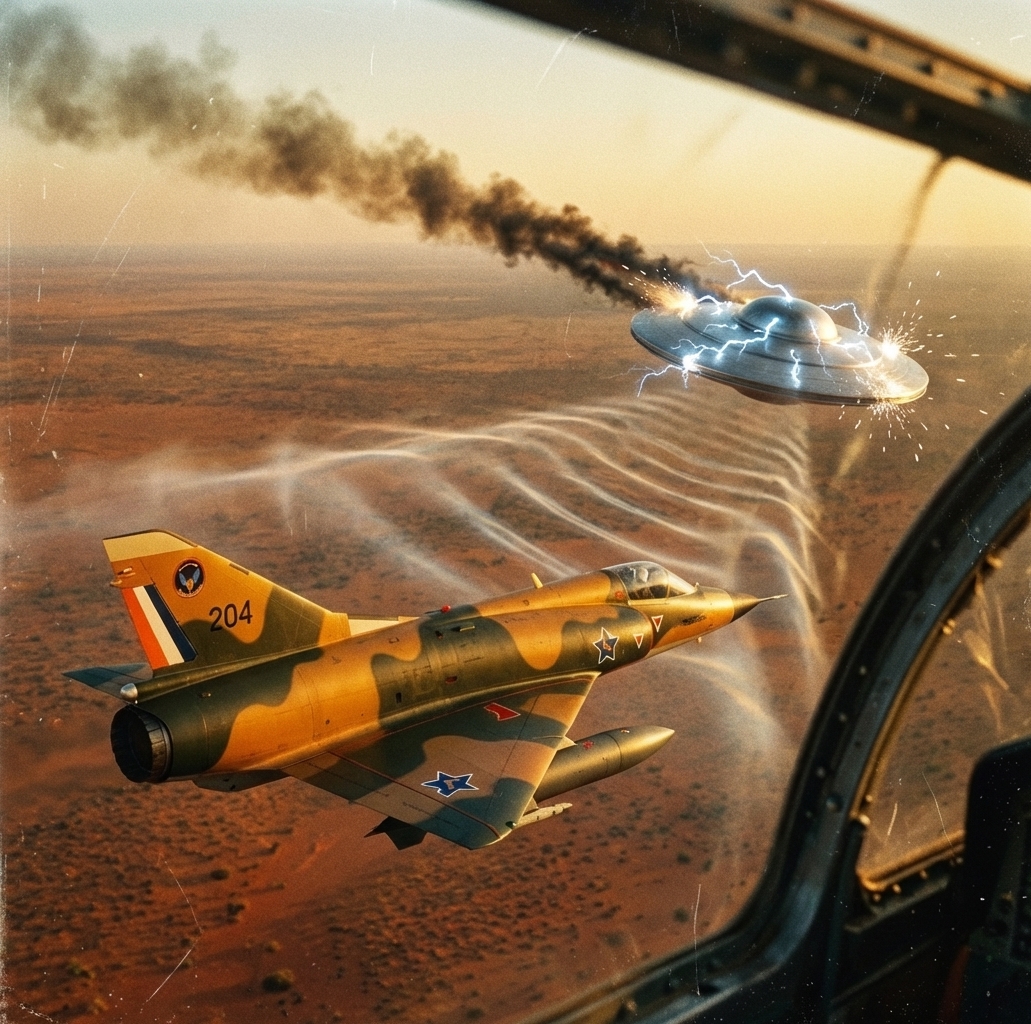
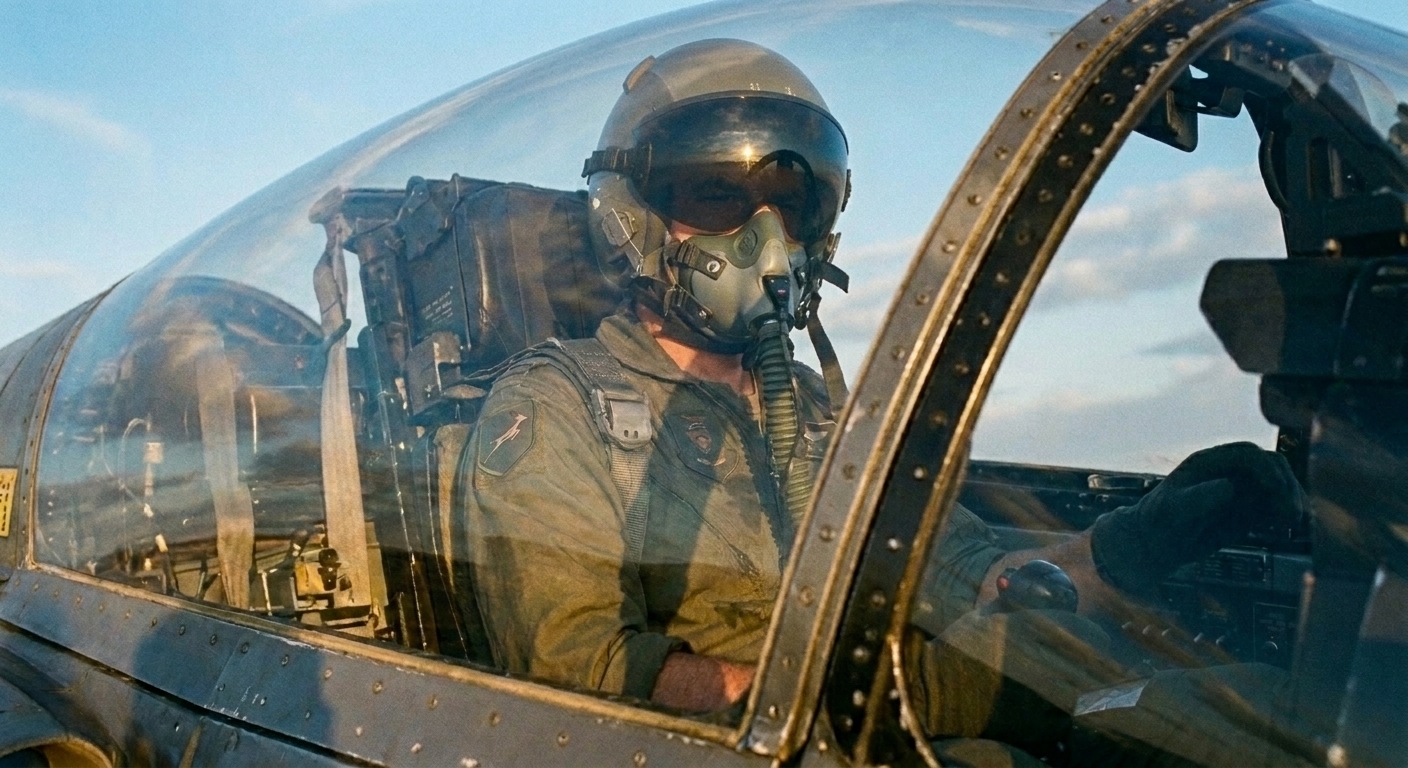
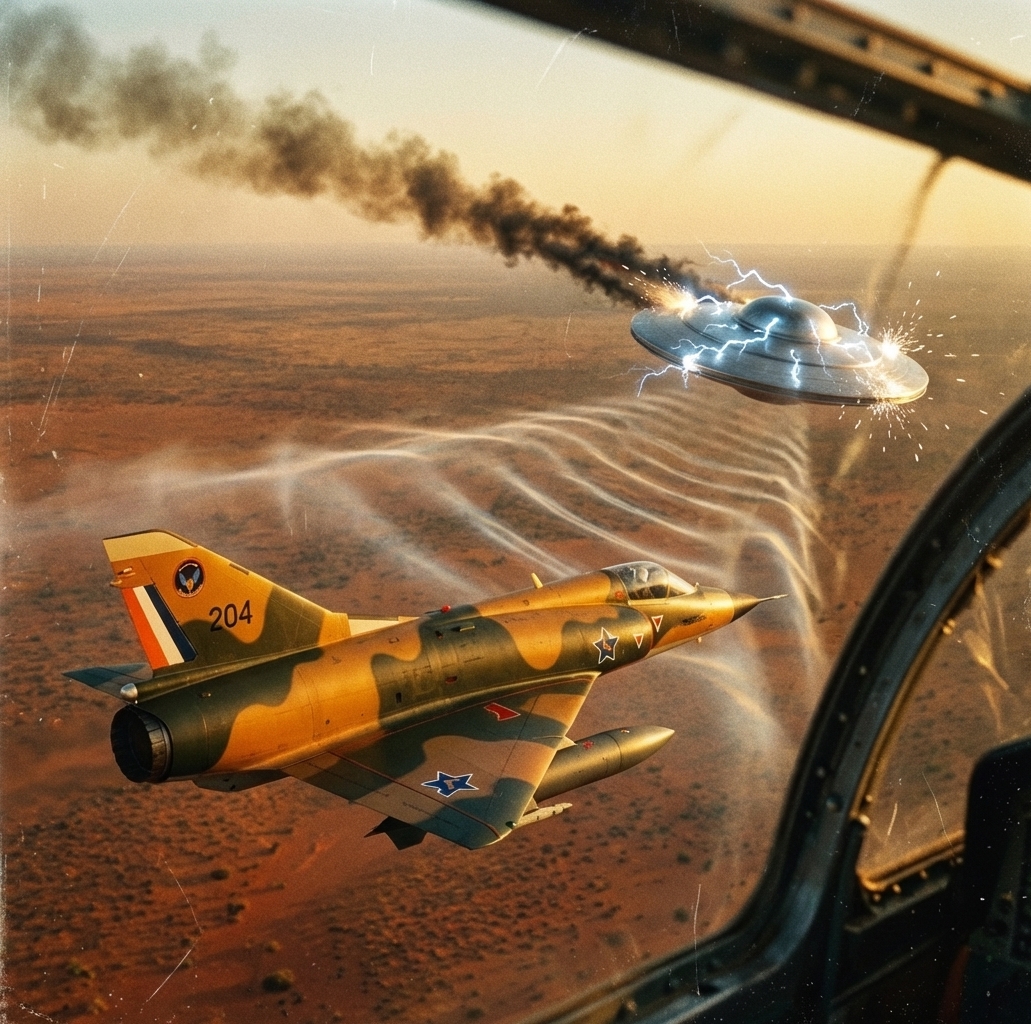
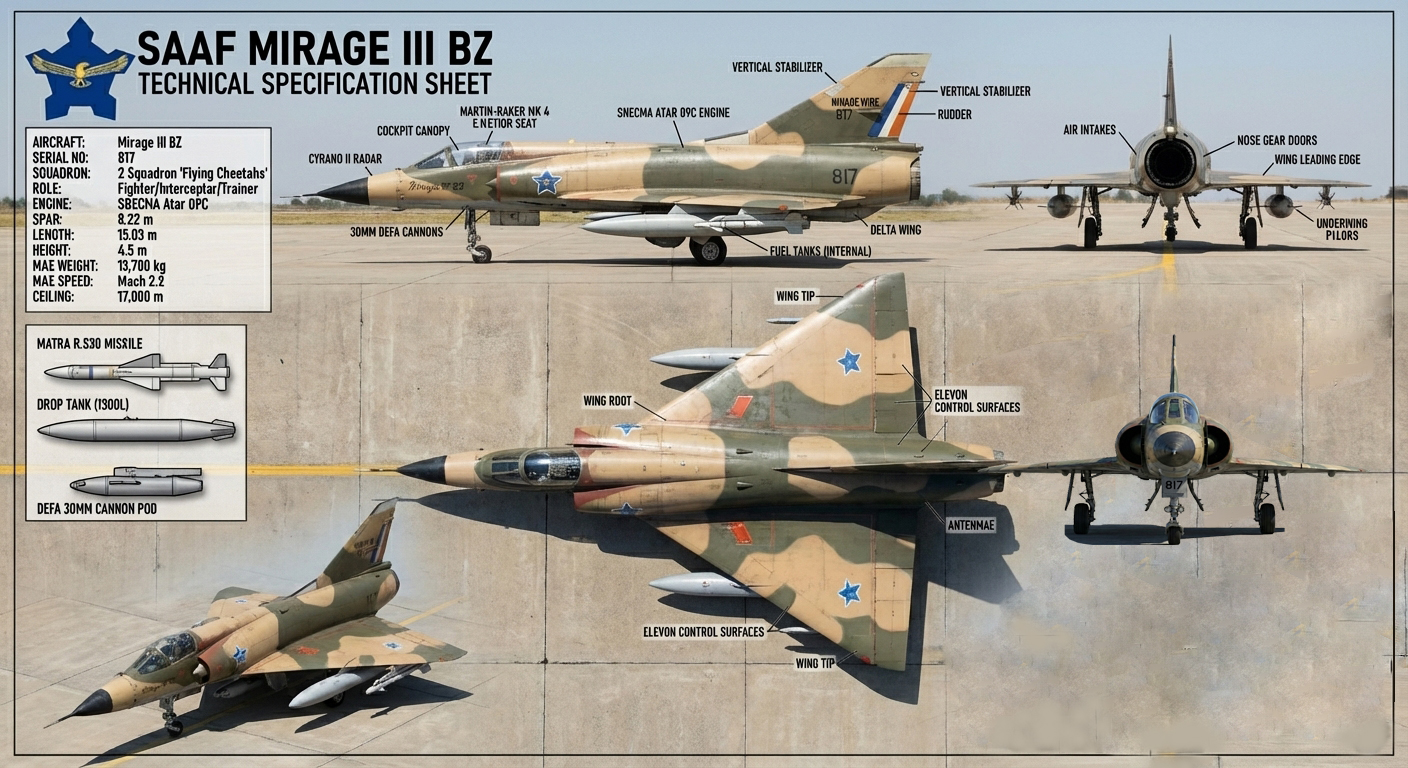
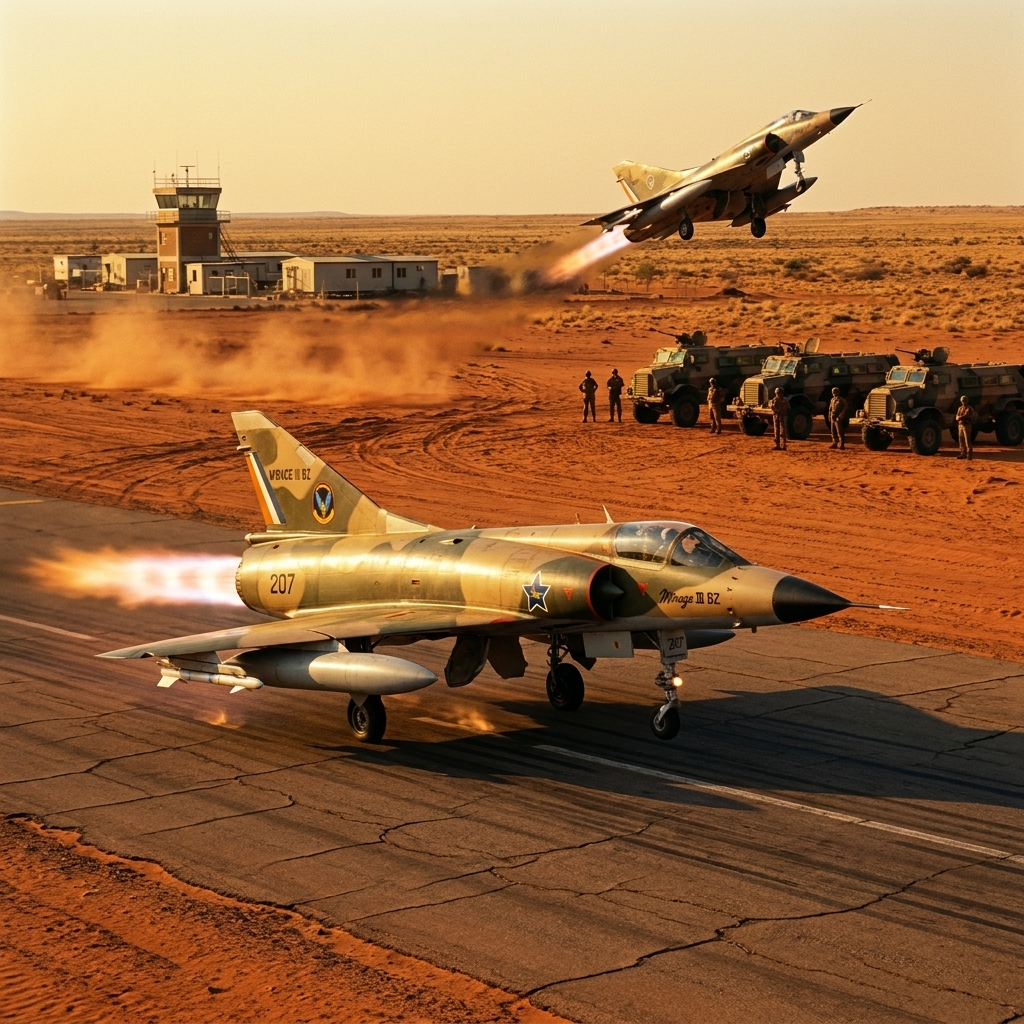
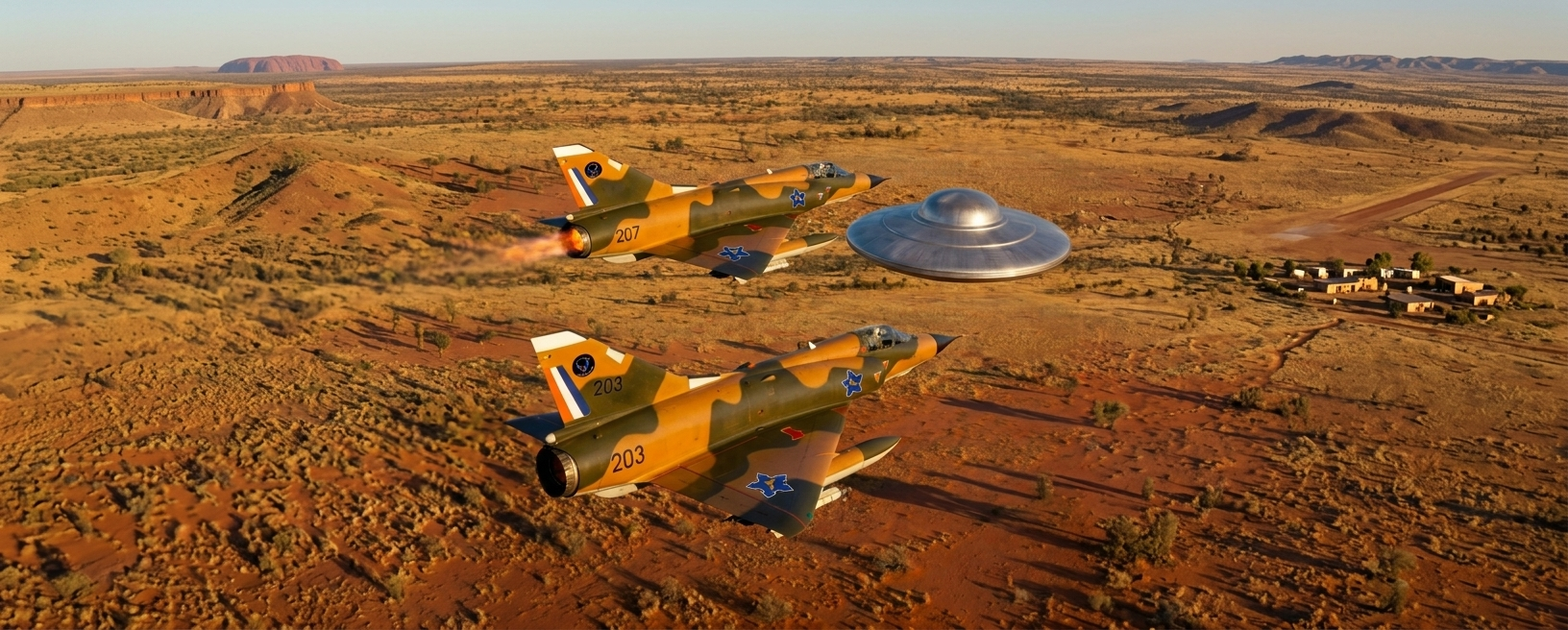
Every newspaper article, every magazine feature, every internet summary of the Kalahari incident uses the same phrase: laser cannon. It is the detail that makes the story sound like a B-movie. A South African fighter jet shooting down a flying saucer with a laser. Nobody can say it with a straight face.
But the original document does not say laser. It describes Thor 2 as a MASER — a word that stands for Microwave Amplification by Stimulated Emission of Radiation. In plain language, it is a device that produces a concentrated beam of microwave energy.
A laser is a focused beam of light. It cuts, burns, and blinds. It is the stuff of science fiction and popular imagination. It is also, in the context of 1989 air-defence technology, implausible as an aircraft-mounted weapon capable of downing a fast-moving object. No air force on earth had such a system operational at the time.
A MASER — or more broadly, what military engineers today call a high-power microwave weapon, or HPM — does something entirely different. It floods a target with directed microwave energy, causing cascading failure in electronic systems. It does not burn. It does not cut. It overwhelms avionics — the electronic systems that control an aircraft's flight — causing navigation to fail, flight controls to lock up, and power systems to shut down.
Now read the Kalahari document again with that in mind. The object was struck by the weapon. It did not explode. It began to waver. Its speed dropped. Its trajectory destabilised. It descended at a steepening angle and hit the ground.
Those are not the effects of a laser. Those are the effects of high-power microwave energy disrupting flight electronics.
Not explosions. Not thermal damage. Electromagnetic interference. Engines dying. Electronics going dark. Instruments failing simultaneously and without explanation. The pattern has been reported by military pilots, by naval vessels, and by ground-based observers across decades and continents. The Kalahari document describes exactly those effects, in 1989, years before the pattern was publicly discussed in those terms.
Could South Africa have actually built such a weapon? The question is less absurd than it sounds.
Kentron, the weapons division of the state arms corporation Armscor — South Africa's equivalent of Lockheed Martin or BAE Systems, responsible for developing the country's most advanced military technology — was based in Centurion, a suburb of Pretoria. By 1986, Kentron had the Seeker military drone operational with the South African Air Force, making the country one of the first on earth to deploy unmanned aerial vehicles in combat.
They designed the ARD-10 anti-radiation loitering drone — an unmanned aircraft that could fly to a target area, orbit autonomously, detect enemy radar emissions, and dive onto the radar source to destroy it. When the South African Border War ended before the ARD-10 entered full service, Kentron sold the designs to Israel Aerospace Industries. The Israelis used them to develop the IAI Harpy, which became one of the most successful weapons of its type in the world.
Kentron was also developing advanced electronic warfare systems — technology designed to detect, jam, deceive, or destroy enemy electronics — in direct partnership with Israeli defence engineers who had been embedded in South African facilities since at least 1975. That year, Israeli Prime Minister Shimon Peres and South African Prime Minister P.W. Botha signed a covert bilateral agreement known as the ISSA pact, establishing deep military and intelligence cooperation between the two countries.
The same engineering pipeline that produced loitering anti-radiation drones and beyond-visual-range missiles was more than capable of producing a directed-energy microwave weapon. It is not science fiction. It is the next item on a procurement list that already existed.
In 2026, high-power microwave weapons are not theoretical. They are in active military service. The United States, China, and several other countries have deployed or are developing HPM systems specifically for counter-drone warfare. The American military's THOR system — Tactical High-power Operational Responder — uses directed microwave energy to disable drone swarms by overloading their electronics.
What is certain is that the technology described in the Kalahari document — dismissed as fantasy for thirty-seven years — is now operational hardware carried by military forces on three continents. The science fiction became engineering. The question is whether it was engineering in 1989 as well.
The media called it a laser, and the laser made the whole story dismissible. If they had called it what the document actually said — a MASER, a directed microwave beam — the conversation would have been different. Because a microwave weapon built by the same company that was producing combat drones and anti-radiation munitions, tested in a desert already being used for ballistic missile trials, is not a fantasy.