The world saw a pariah state. Isolated, sanctioned, condemned. By the late 1980s, the Afrikaner-led government of South Africa was operating under a comprehensive international arms embargo, an oil embargo, mounting financial sanctions, and a global isolation campaign driven by the Soviet Union, Cuba, the United Nations, and most of the Western left. The country was the most internationally condemned administration on earth. Anything associated with it carried a taint. Anything it produced was assumed to be inferior, suspect, or fabricated.
What the Afrikaner government actually built, while the world was looking the other way, was something else entirely.
The Sixth Nuclear Power on Earth
What They Built
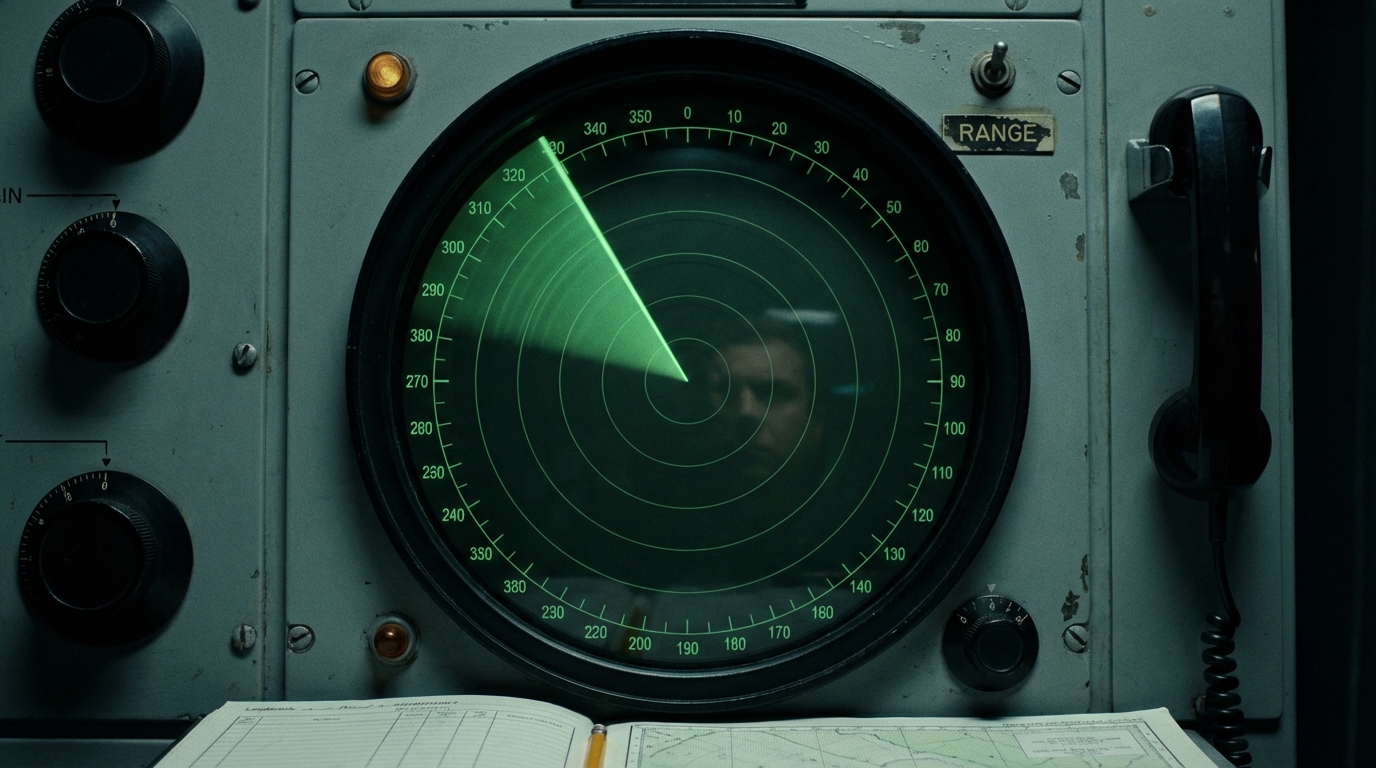
They built six nuclear weapons. South Africa became the sixth nuclear power on earth, the only one in the Southern Hemisphere, the only one on the African continent, and later the only nation in history to voluntarily dismantle its entire nuclear arsenal. The enrichment programme at Valindaba — a facility near Pretoria whose name is a Zulu word meaning 'about this we do not speak at all' — used a unique aerodynamic separation process developed entirely by South African engineers — a method no other country had ever used. The name was not accidental. AEC employees were officially instructed to lie to IAEA inspectors. Cover stories were not improvised responses to inconvenient discoveries. They were institutional policy, built into the DNA of every classified programme South Africa ran.
When OPEC and Iran cut oil supplies to South Africa, the country did not collapse. A state-owned company called Sasol had been converting coal into liquid fuel since the 1950s using a chemical process called Fischer-Tropsch synthesis, originally developed in Germany before the Second World War but perfected at industrial scale by South African engineers. By the time the oil embargo hit, Sasol was supplying forty per cent of the nation's fuel from coal. The technology was so advanced that Germany studied it, the US Strategic Petroleum Reserve examined it during the 1970s oil crisis, and today it is licensed to countries around the world.
Under the arms embargo, the Afrikaner government built an indigenous defence industry that produced weapons the world's major militaries would later adopt.
The Casspir mine-protected vehicle featured a V-shaped hull designed to deflect the blast of a landmine or roadside bomb away from the crew compartment. When American soldiers started dying from improvised explosive devices in Iraq and Afghanistan two decades later, the United States military adopted the same hull geometry for its MRAP programme — Mine-Resistant Ambush Protected vehicles that became standard equipment for coalition forces.
The Milkor MGL — a six-shot revolving grenade launcher known to South African soldiers by the Afrikaans nickname snotneus — was designed in 1980 and entered service with the South African Defence Force in 1983. The US Marine Corps later adopted it as the M32 Multi-shot Grenade Launcher, and US Special Operations Command uses it as the Mk 14. Over fifty thousand have been manufactured and sold to armed forces and law enforcement agencies in more than fifty countries worldwide. It was designed by one man, Andries Piek, in South Africa, under sanctions.
The G5 howitzer, a 155-millimetre towed artillery piece based on a design by the Canadian ballistics genius Gerald Bull — who was later assassinated in Brussels in 1990, almost certainly by Israeli intelligence — was the longest-range conventional artillery system in the world when it entered service in 1983. Saudi Arabia and the United Arab Emirates bought it. The self-propelled G6 version, mounted on a wheeled chassis that could keep pace with armoured columns, followed shortly after.
The Helderberg disaster of 1987 provides a darker illustration of the same logistics networks. South African Airways Flight 295 crashed into the Indian Ocean under circumstances that remain disputed. The aircraft was carrying covert Armscor weapons cargo. The same clandestine transport infrastructure that moved prohibited weapons components across international borders — through front companies, false manifests, and cooperating intelligence services — would have been the natural conduit for moving any recovered materials out of South Africa, whether those materials were conventional or something else entirely.
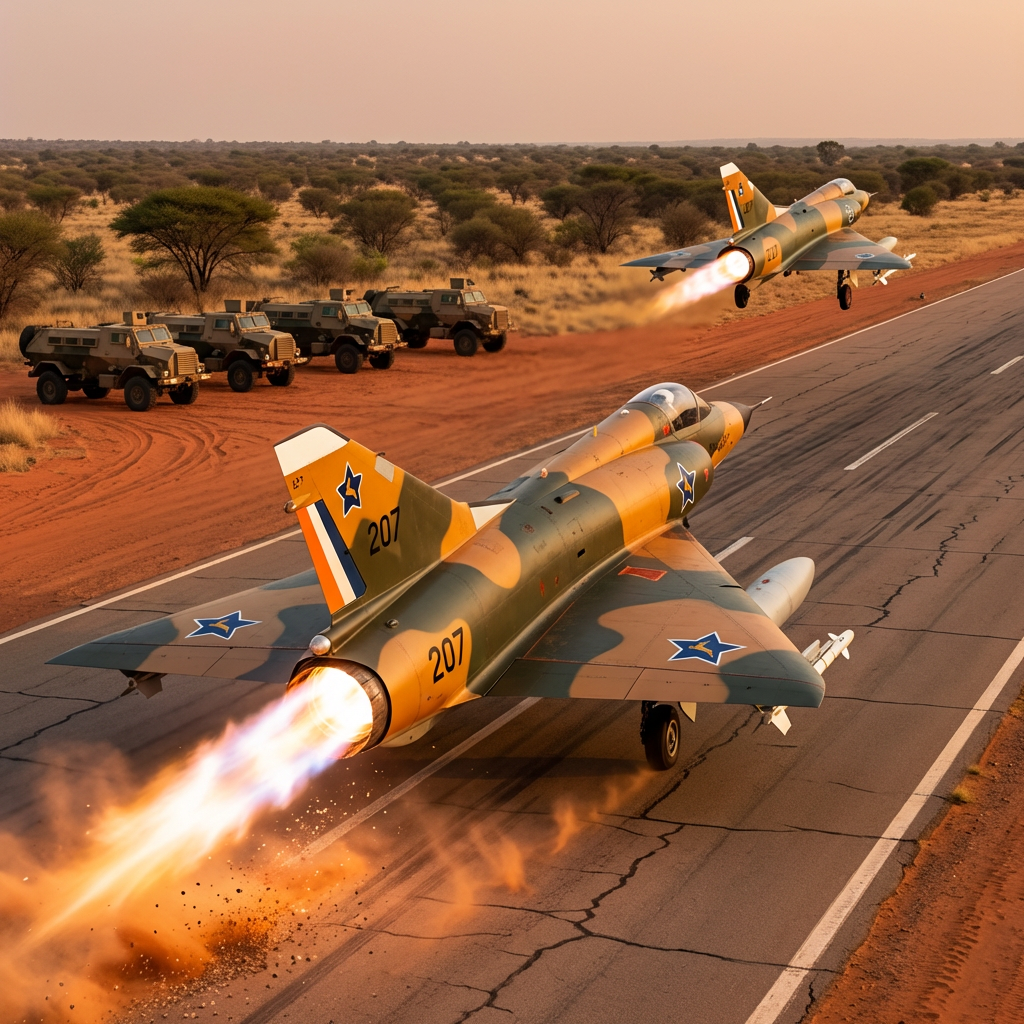
The Rooivalk — Afrikaans for Red Kestrel — was an attack helicopter designed and built entirely within South Africa. Only a handful of countries on earth have ever developed an indigenous attack helicopter. South Africa did it under comprehensive international sanctions.
And in 1967, Dr Christiaan Barnard performed the world's first successful human-to-human heart transplant at Groote Schuur Hospital in Cape Town.
All of this was achieved by a country with a white population of roughly four million people, under sanctions designed to cripple it, while simultaneously fighting a proxy war against Soviet and Cuban forces in Angola.
The Real Reason It Was Dismissed
The Propaganda Fog
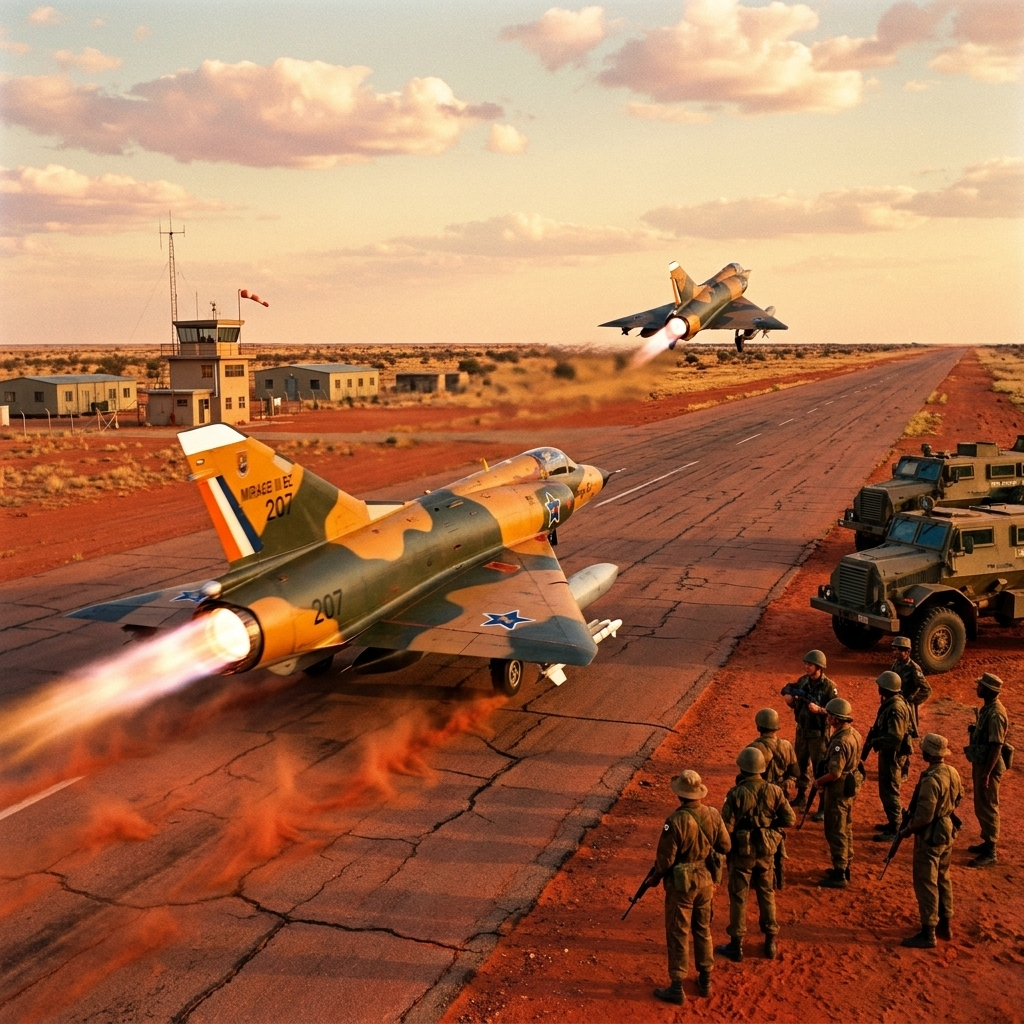
The Cold War propaganda machine ensured the world saw none of this as credible. That propaganda fog is not a side note in this story. It is the direct reason why a classified military document describing an experimental weapons engagement over the Kalahari was laughed off rather than investigated.
The question of technology exchange between South Africa and the United States is not speculation. It is documented. Covert procurement networks facilitated the flow of prohibited technology to South Africa throughout the sanctions era. Gyroscope components for missile guidance. Specialised electronics. Materials that no embargoed country should have been able to acquire. The channels existed, the middlemen have been identified in court records, and the transfers happened. When the Kalahari documents claim that the United States provided advanced technology to South Africa in exchange for recovered materials, they are describing a transaction using infrastructure that was already in place and already active. The claim is extraordinary. The logistics are not.
A country that built nuclear weapons, fielded one of the world's first military drones, designed an attack helicopter from scratch, and produced the grenade launcher the US Marines now carry into combat did not lack the capability to develop a directed microwave weapon.
And a country running that level of classified technology in the same desert where something allegedly came down had every institutional reason to ensure the world never found out what happened — and every advantage from a propaganda environment that guaranteed nobody would believe it anyway.
There is one more thing about where all of this was developed. It has never been publicly reported, and it ties the entire geography of the story together.
Continue in Part 6 →